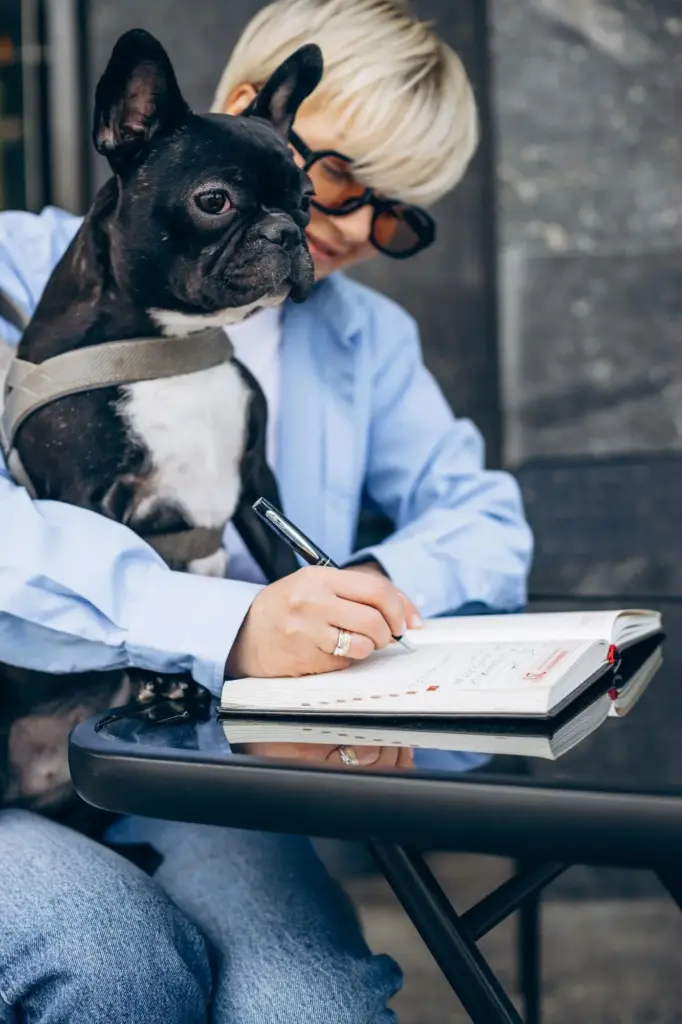
High Energy, Small Space: Joyful Dog Workouts
Quiet Cardio That Actually Tires Them Out
Micro-Intervals With Precision
Try thirty-second play efforts followed by forty-five seconds of sniffing on a scatter mat, repeating for ten rounds. Mark calm starts, release with a cheerful cue, and end with a settle on a bed. Soft toys and rug traction reduce thumps while maintaining genuine cardiovascular benefit.
Hallway Fetch Without the Thunder
Use a plush ball and a six-foot lead to control acceleration, tossing only a few meters. Cue wait, toss softly, then cue fetch and ask for a drop halfway back. Reward quiet feet. This reduces skids, protects joints, and keeps downstairs neighbors grateful.
Tug Circuits for Impulse Control
Run three rounds of twenty seconds tug, five seconds freeze, then a sit, eye contact, and gentle restart. Use a fleece tug to minimize sound. Reinforce polite grips, slow breathing between rounds, and finish with a chew to encourage decompression and sustained relaxation afterward.
Mind First, Body Follows
Scent Trails That Melt Zoomies
Puzzle Rotations That Don’t Bore
Shaping Sessions That Build Focus
Strength, Balance, and Flexibility Indoors
Sit-to-Stand Ladders for Power
Guide four crisp sits into stands with one-second pauses, rest, then repeat two more sets. Maintain neutral spine, keep feet quiet, and reward symmetrical movement. Over time, increase reps or add a light nose-target hold to challenge hindquarters without clattering or slipping.
Cavaletti Lines Made from Books
Arrange sturdy books in a gentle line, spacing to match your dog’s stride. Lure slow, deliberate stepping for three passes, then reverse direction. This builds proprioception and rhythm while staying silent. Lower height for beginners, and always secure surfaces to prevent sliding mishaps.
Micro-Adventures Right Outside Your Door
Sniff Walks with Rules and Rewards
Set a timer for ten minutes and let the nose explore marked zones while you reinforce check-ins, heel cues, and calm pauses. Sniffing lowers pulse and fulfills instincts. Ending with a hand-target game resets focus before reentering elevators, stairwells, or busy lobby spaces.
Urban Agility Using Everyday Objects
Practice controlled step-ups on curbs, two-paw perch pivots on a low planter, and gentle figure-eights around bike racks. Keep leashes short, criteria clear, and rewards frequent. These quiet drills build coordination and confidence, replacing frantic energy with thoughtful movement in public spaces.
Stair Strategies Without Overdoing
If stairs are part of your routine, choose carpeted flights, warm up first, and limit reps. Focus on slow, controlled ascents, then take the elevator down to spare joints. Maintain silence, prioritize safety, and skip entirely for puppies or dogs with orthopedic concerns.

Your Weekly Plan and Progress System
Morning-Boost, Evening-Settle Framework
Start days with brisk but quiet intervals and leash skills, then close evenings with nose work, massage, and stretching to cue sleep. This rhythm respects apartment life, supports predictable energy cycles, and simplifies decisions when workdays run long or weather complicates outdoor options.
RPE and Tail Tells Guide Intensity
Use a simple rate-of-perceived-exertion scale plus signals like ear set, tail carriage, and sniff breaks to gauge effort. Shorten sets when arousal spikes; lengthen rests when panting deepens. Data-driven tweaks keep progress steady, prevent meltdowns, and protect sensitive joints inside compact living spaces.
Plateaus, Growth, and Rest Days
When performance flattens, change one variable: surface, sequence, reward type, or duration. Celebrate micro-gains like calmer settles after workouts. Plan real rest with sniffy enrichment instead of cardio. Progress happens between sessions when bodies rebuild, especially for exuberant breeds living in tight quarters.
Safety, Gear, and Neighborly Peace